
Author: Dr Sandeep T, MBBS,MBA, MD, MMSc, MAMS, Infectious Diseases(ID) Consultant and Associate Professor, Department of microbiology, BGS Medical College & Hospital.
As summer temperatures rise, so does the risk of foodborne illnesses. The heat and humidity in Bangalore create the perfect conditions for bacteria to multiply, making food spoil faster if not handled or stored properly. Staying aware and taking precautions can help you avoid falling sick due to contaminated food.
Common Foodborne Illnesses and Their Symptoms
Dr. Sandeep. T, an expert in infections, warns that the most common foodborne illnesses during summer include:
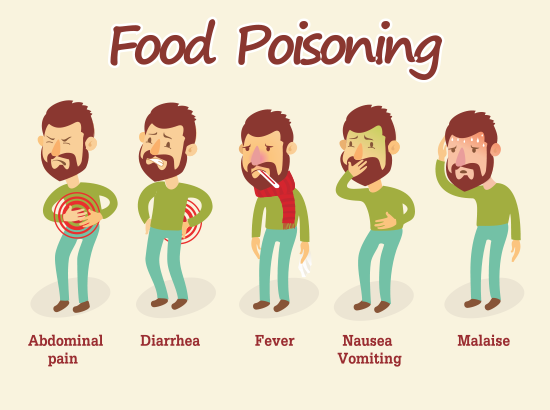
1. Food Poisoning (Bacterial Infections)
-
Causes: Contaminated food or water carrying bacteria like Salmonella, E. coli, or Staphylococcus aureus.
-
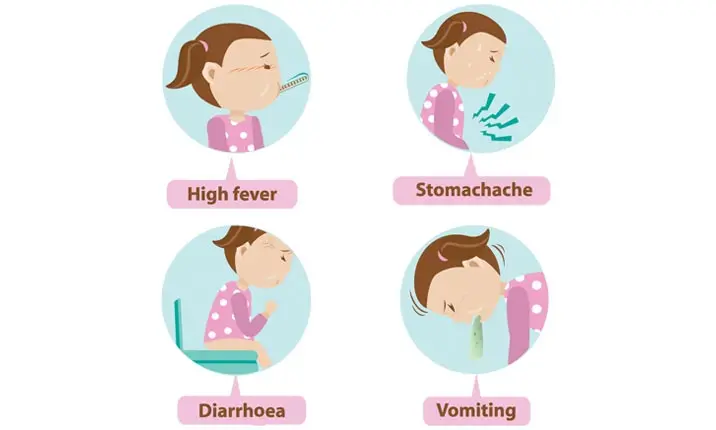
Symptoms: Nausea, vomiting, diarrhea, stomach cramps, and fever.
2. Typhoid Fever
-
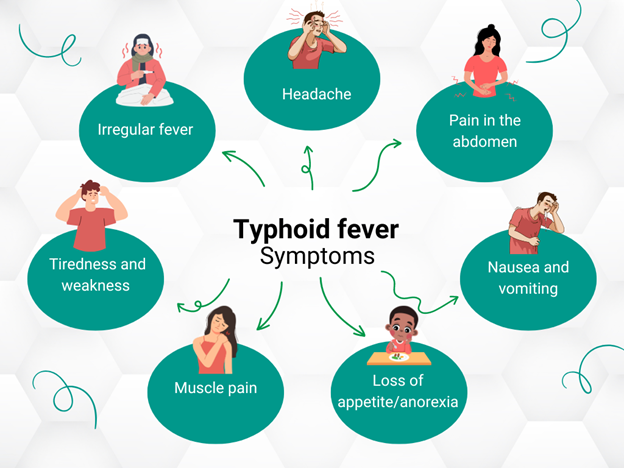
Causes: Salmonella typhi bacteria, usually from unclean water or improperly cooked street food.
-
Symptoms: High fever, weakness, stomach pain, and loss of appetite.
3. Cholera
-
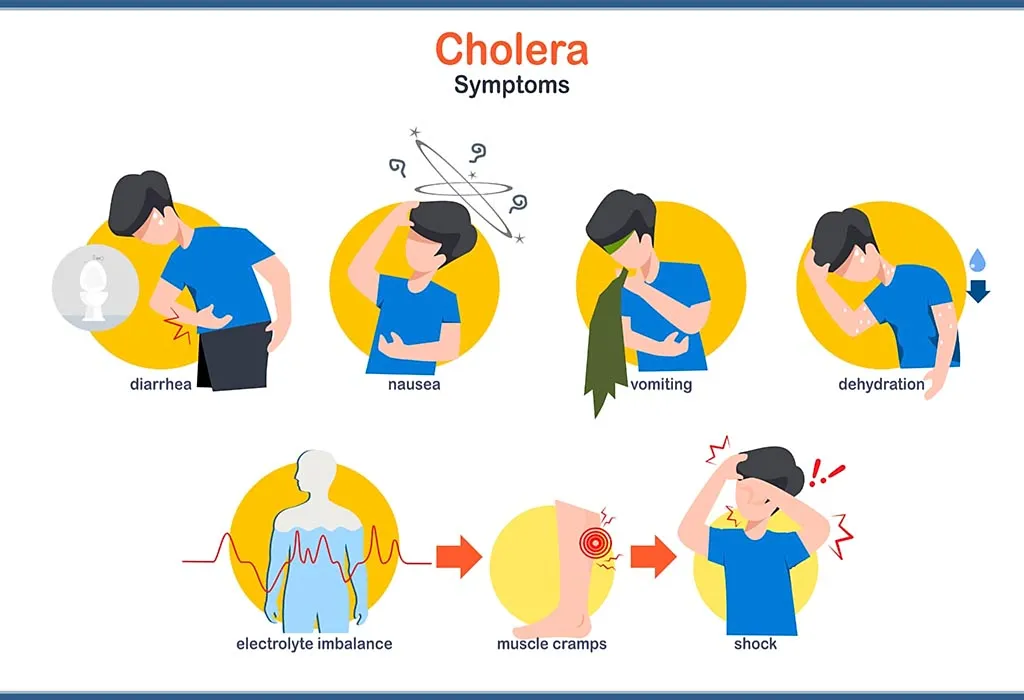
Causes: Vibrio cholerae bacteria in contaminated water or food.
-
Symptoms: Severe watery diarrhea, dehydration, and muscle cramps.
4. Viral Gastroenteritis (Stomach Flu)
-
Causes: Viruses like norovirus or rotavirus, often spread through infected food handlers or contaminated surfaces.
-
Symptoms: Diarrhea, vomiting, mild fever, and body aches.
High-Risk Foods in Summer
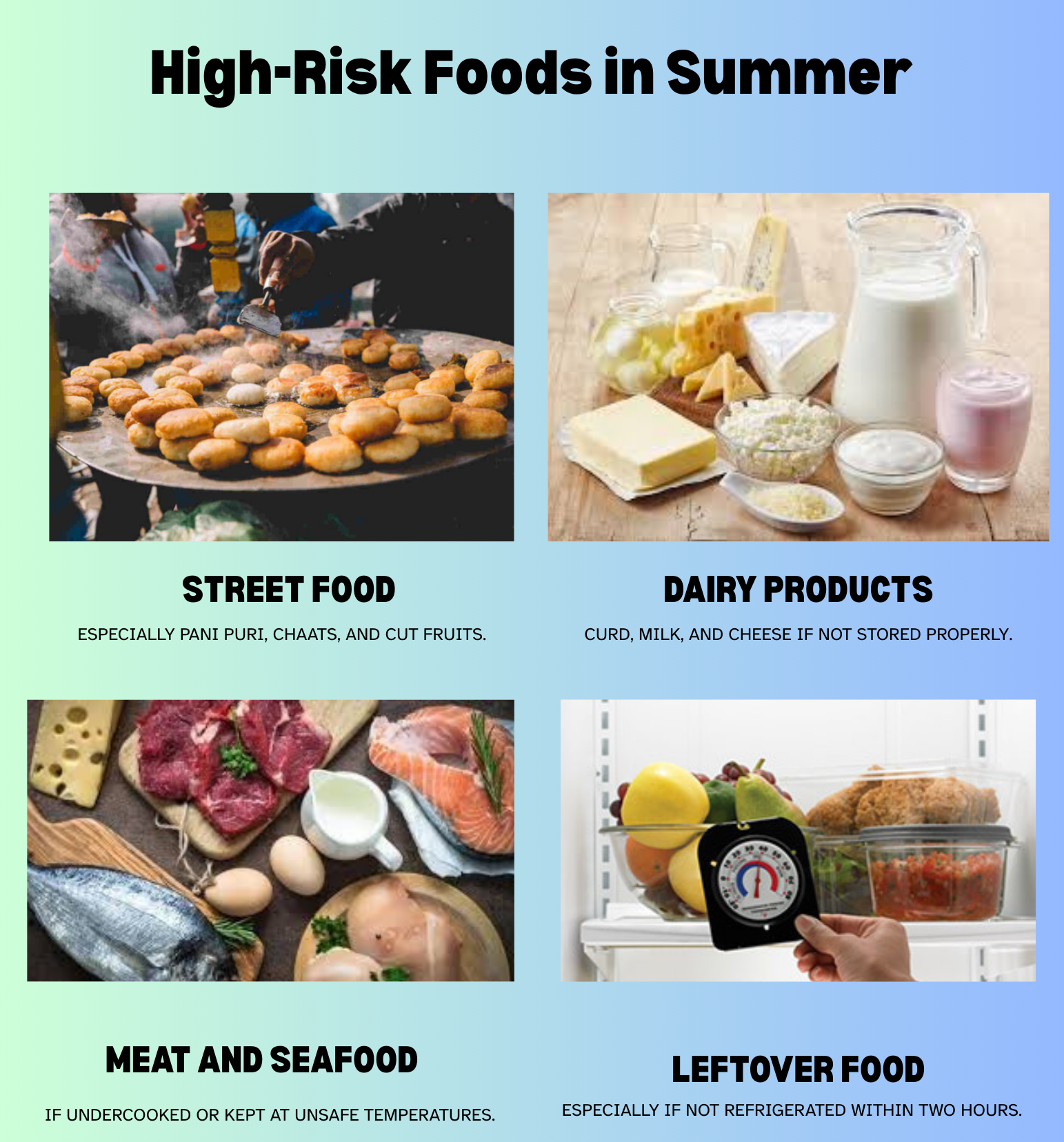
Dr. Sandeep. T highlights certain foods that are more prone to contamination:
-
Street food: Especially pani puri, chaats, and cut fruits.
-
Dairy products: Curd, milk, and cheese if not stored properly.
-
Meat and seafood: If undercooked or kept at unsafe temperatures.
-
Leftover food: Especially if not refrigerated within two hours.
How to Prevent Foodborne Illnesses in Summer
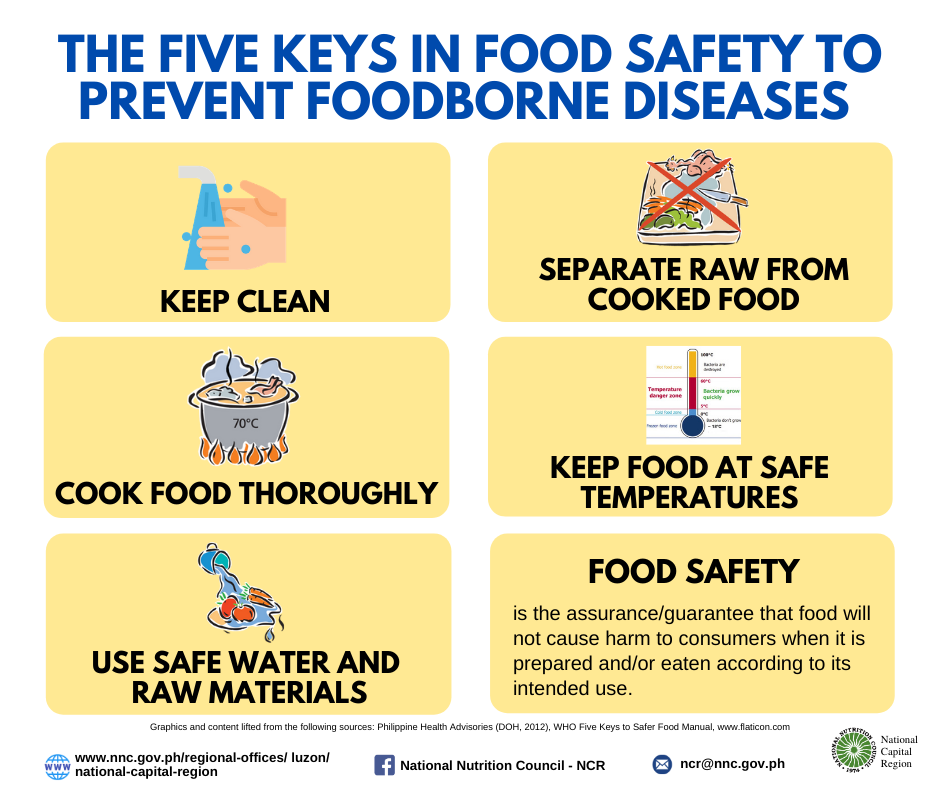
To stay safe and healthy, follow these simple yet effective precautions:
-
Wash Hands Regularly: Always wash hands before eating or cooking.
-
Drink Safe Water: Stick to filtered or boiled water and avoid roadside juice stalls.
-
Eat Fresh and Hot Food: Avoid food that has been sitting out for too long.
-
Store Food Properly: Refrigerate leftovers within two hours to prevent bacterial growth.
-
Be Careful with Street Food: Choose vendors who maintain good hygiene and serve fresh food.
-
Avoid Raw or Undercooked Food: Especially meat, eggs, and seafood.
-
Get Vaccinated: Typhoid and Hepatitis A vaccines can help prevent serious foodborne illnesses.
When to See a Doctor?
Seek medical help if you experience:
-
Persistent vomiting or diarrhea for more than two days.
-
High fever (above 102°F) with dehydration.
-
Blood in stool.
By following these precautions, you can enjoy the summer in Bangalore without worrying about foodborne illnesses. Stay safe and eat smart!

