

Author:Dr. Anushree L. S., MBBS, MD (DVL), DNB, Senior Resident, Department of Dermatology, Venereology, and Leprosy, BGS Medical College & Hospital.
When it comes to skincare, one of the most important steps you can take is protecting your skin from the harmful effects of the sun. Sunscreen is your best defense against ultraviolet (UV) rays that can cause Premature aging, Sunburn, and even Skin cancer.
Let’s dive into why sunscreen is a must-have in your daily routine and how to make the most of it.
What is Sunscreen?
Sunscreen acts as a photoprotective shield, reducing the impact of harmful UV rays from the sun. By creating a protective barrier, it minimizes skin damage and helps maintain a youthful and healthy complexion.
Understanding UV Rays
Sunlight contains two types of harmful UV rays:
-
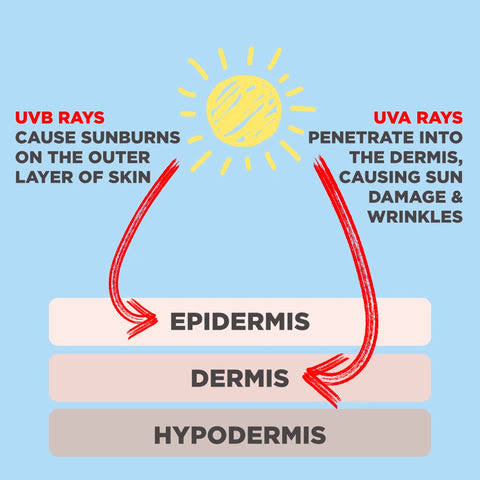
UVA Rays: Penetrate deep into the skin, causing premature aging, wrinkles, and age spots.
-
UVB Rays: Primarily responsible for sunburn and can directly damage DNA, increasing the risk of skin cancer.
Who Should Use Sunscreen?
Sunscreen isn’t just for adults or sunny days—everyone aged six months and above should use it daily, regardless of skin type or weather.
Types of Sunscreen
Choosing the right sunscreen can feel overwhelming, but understanding the basics can help:
1. Physical Sunscreens: Contain ingredients like titanium dioxide and Zinc oxide that reflects uv rays.
2. Chemical Sunscreens: Absorb UV rays with active ingredients such as cinnamates and benzophenones.
How to Choose the Perfect Sunscreen
To ensure optimal protection, look for these features:
• Broad Spectrum: Shields against both UVA and UVB rays.
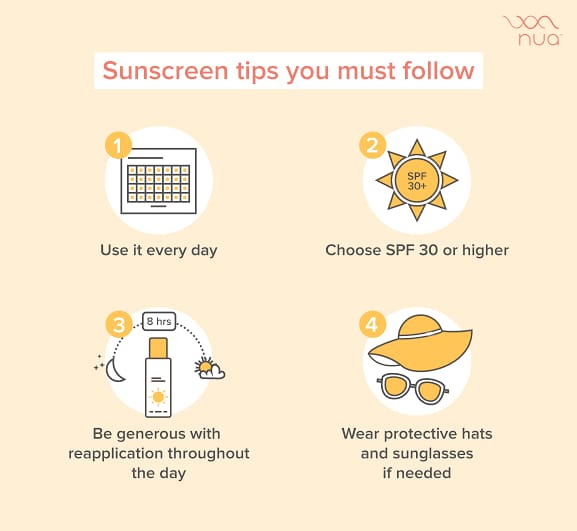
• SPF 30 or Higher: Blocks about 97% of UVB rays, higher SPF offers little extra protection.
• PA+++ Rating: Indicates high protection against UVA rays.
• Water-Resistant: Stays effective for 40-80 minutes during swimming or sweating.
Sunscreen Formulations: What Works for You?
• Creams: Perfect for dry skin, providing hydration and protection.
• Gels: Ideal for oily or acne-prone skin due to their lightweight texture.
• Sticks: Convenient for touch-ups and sensitive areas like the lips and around the eyes.
Tips for Proper Application
1. Apply generously: Use about 2mg/cm² of skin to ensure complete coverage.
2. Reapply every 2-3 hours: Especially important after sweating or swimming.
3. Don’t miss spots: Cover ears, neck, hands, feet, and even your scalp if it’s exposed.
4. Use it every day: Even on cloudy or winter days, UV rays can harm your skin.
Modern sunscreens go beyond basic UV protection:
• Moisturizing Sunscreens: Keep your skin hydrated while protecting it.
• Tinted Sunscreens: Offer light coverage and protect against visible light.
• Blue Light Protection: Shields your skin from digital devices’ harmful light.
Sunscreen is Not Enough
For complete sun protection, pair sunscreen with these strategies:
• Wear a wide-brimmed hat and sunglasses.
• Choose lightweight, long-sleeved clothing.
• Avoid peak sun hours (10 AM – 3 PM) when UV rays are strongest.
Skipping sunscreen can have long-term consequences for your skin’s health and appearance. Incorporate it into your daily routine and make it your skin’s best friend for a radiant, youthful glow.
Stay sun-safe, and let your skin shine beautifully—protected and confident!

